Thinking about picking up a rental home here in The Villages? You’re not alone. With mortgage rates bouncing around, it’s totally normal to wonder whether now is the moment to lock something in. A small shift in interest rates can nudge your monthly payment up or down—and that directly affects how much cash your rental actually puts in your pocket.Thinking about picking up a rental home here in The Villages? You’re not alone. With mortgage rates bouncing around, it’s totally normal to wonder whether now is the moment to lock something in. A small shift in interest rates can nudge your monthly payment up or down—and that directly affects how much cash your rental actually puts in your pocket.
Let’s break down what’s happening right now so you can make a smart call.
Overview of the Current Mortgage Rate Climate in the United States
Rates across the U.S. have been… well, a bit of a roller coaster. They rise, they dip, and a lot of it comes down to big-picture economic stuff and whatever move the Federal Reserve makes next. Federal Reserve decisions directly influence the cost of borrowing, which trickles down to lenders—and ultimately affects what you end up paying on your home mortgage.
According to Bankrate’s latest lender survey, the average APR on a 30-year fixed loan is sitting around 6.34%. You can also find comprehensive free listings from other mortgage comparison sites to verify these figures.
That national number gives you a general baseline. But remember—your actual rate depends on a variety of factors including the type of loan you choose, your financial picture, your credit report, and where the market seems to be heading. And if you zoom out a bit, the historical trend shows just how much rates can shift. Back in the 1980s, people were paying 18%+ on mortgages (wild). Through the 2010s, rates hovered much lower. And now, we’re in a period where they’ve climbed again.
A little historical context goes a long way in helping today’s rates feel a bit less mysterious.
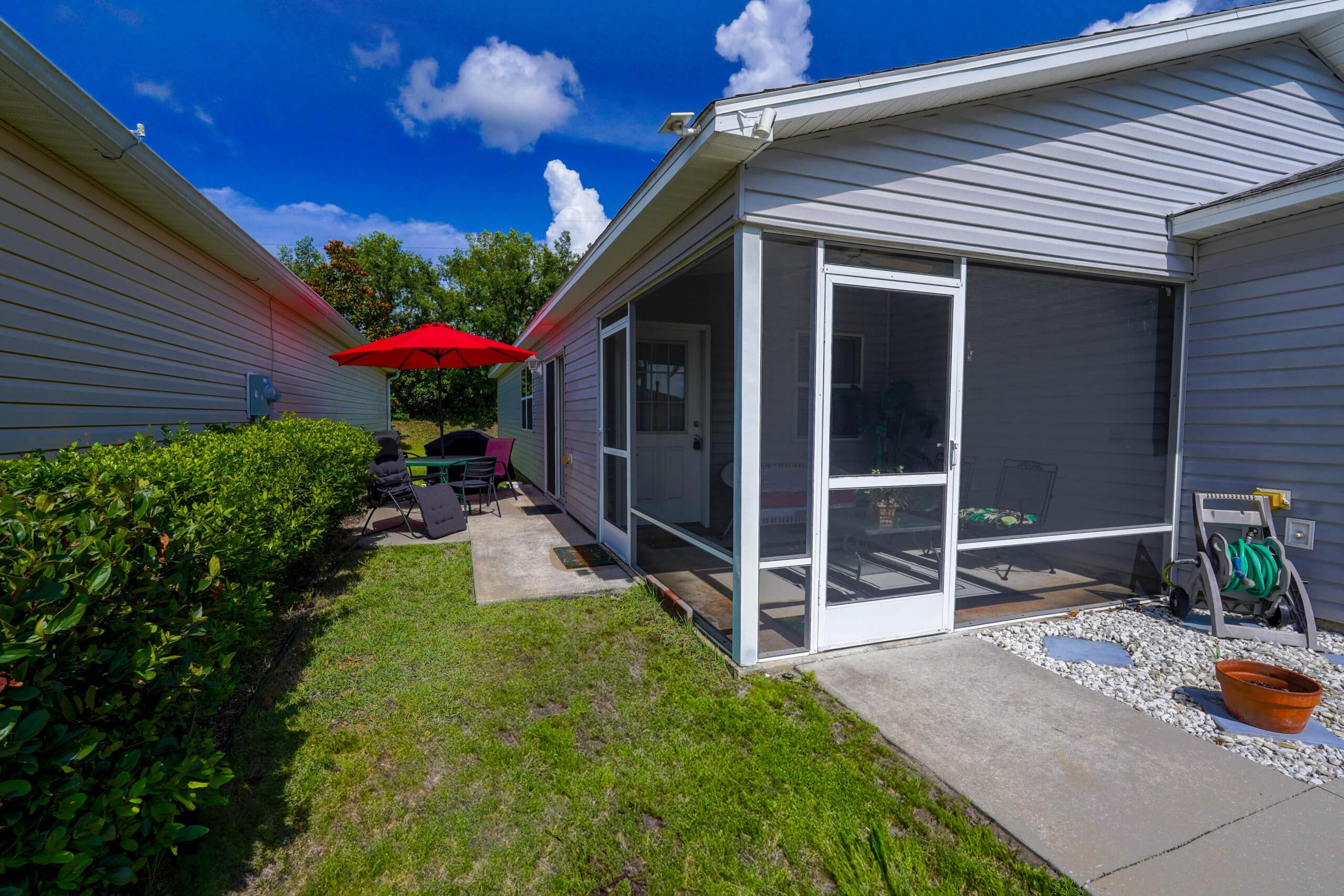
National Average for 30-Year Fixed Mortgage Rates
The weekly mortgage rate data shows the 30-year fixed mortgage at 6.28% on average. No surprise there—it’s the most popular loan term for both homebuyers and investors because it keeps payments predictable over the life of the home loan.
But it’s not your only option.
Shorter-term loans—like 15-year or 20-year mortgages—usually come with lower interest rates. Some borrowers also consider ARM rates (adjustable-rate mortgages) which may start lower but can change over the amount of time you hold the loan. The tradeoff with shorter terms? Higher monthly payments. So while you might save money over the life of the loan, it hits your cash flow a little harder upfront.
Here’s a quick comparison of today’s average mortgage rates across common loan types:
| Loan Type | Interest Rate |
| 30-Year Fixed | 6.27% |
| 15-Year Fixed | 5.63% |
| 10-Year Fixed | 5.68% |
| 5/1 ARM | 5.53% |
Recent Trends and Rate Fluctuations
We’ve seen mortgage rates ease up a little lately. The average 30-year rate is hovering around 6.28% this week, but that number moves all the time. A lot of it ties back to investor confidence and—behind the scenes—the 10-year Treasury yield.
Now, the Federal Reserve doesn’t directly set interest rates on mortgages, but its decisions on the federal funds rate definitely ripple through the market. When the economy softens, rates tend to slide. When the economy runs hot, they usually climb. Most experts—including Bankrate’s news coverage and other financial outlets—think we’ll be hanging out above 6% for a bit longer.
Because things shift so quickly, timing can save (or cost) you money. If you’re close to buying and you like the rate you’re seeing, locking it in during your lock period can protect you in case the market jumps before your closing date.

Understanding Mortgage Rates in The Villages, Florida
National averages give you a broad snapshot, but they don’t tell the whole story—especially here in The Villages. Local lenders sometimes offer different rates based on what’s happening in our own market: competition, housing demand, local economic trends… all of it plays a role.
So while home price is your starting point, the annual percentage rate is what shapes your long-term cost of the loan. A small difference adds up over years. That’s why checking current rates specifically in The Villages is worth your time.
Let’s talk about what actually makes local rates move.
How Local Rates Compare to State and National Averages
Lenders in The Villages often price loans differently than what you’ll see statewide or nationally. It comes down to basic supply and demand—and how each lender views the level of risk in our area. In a competitive market, you might see more attractive offers. In a slower one, rates or fees can creep up.
That’s why you’ll notice every lender has its own take. One bank might offer a slightly lower rate but charge higher upfront fees. Major lenders like Bank of America may have different pricing than local credit unions running a special. An online lender might land somewhere in the middle. Always look for objective content from multiple sources when comparing.
Since rates and fees can vary so much, comparison shopping isn’t just smart—it’s essential. Use interactive tools from financial websites to look at a few offers side by side. This gives you a better sense of how local numbers stack up against national averages and helps you find a deal that actually fits your investment goals.
Unique Options for Investors in The Villages
As an investor, you can use many types of financial services. There are also many mortgage loan choices to look at. A common one is a conventional loan. You can also get loans from the Federal Housing Administration (FHA) or the U.S. Department of Veterans Affairs (VA). The rules and down payment for these types of loan are not all the same. For example, VA loans are a good choice if you are a veteran that is able to get one.
Different kinds of mortgage loan will have their own ways the interest rate works, including whether it’s a set interest rate or adjustable. Government-backed loan rates are often favorable, but they may come with more rules, especially if you use it for an investment property rather than a primary residence. If the loan amount you want is above the limit for standard loans, you might need a jumbo loan instead. When you look at the variety of financial services and loans, you can find what is best for you.
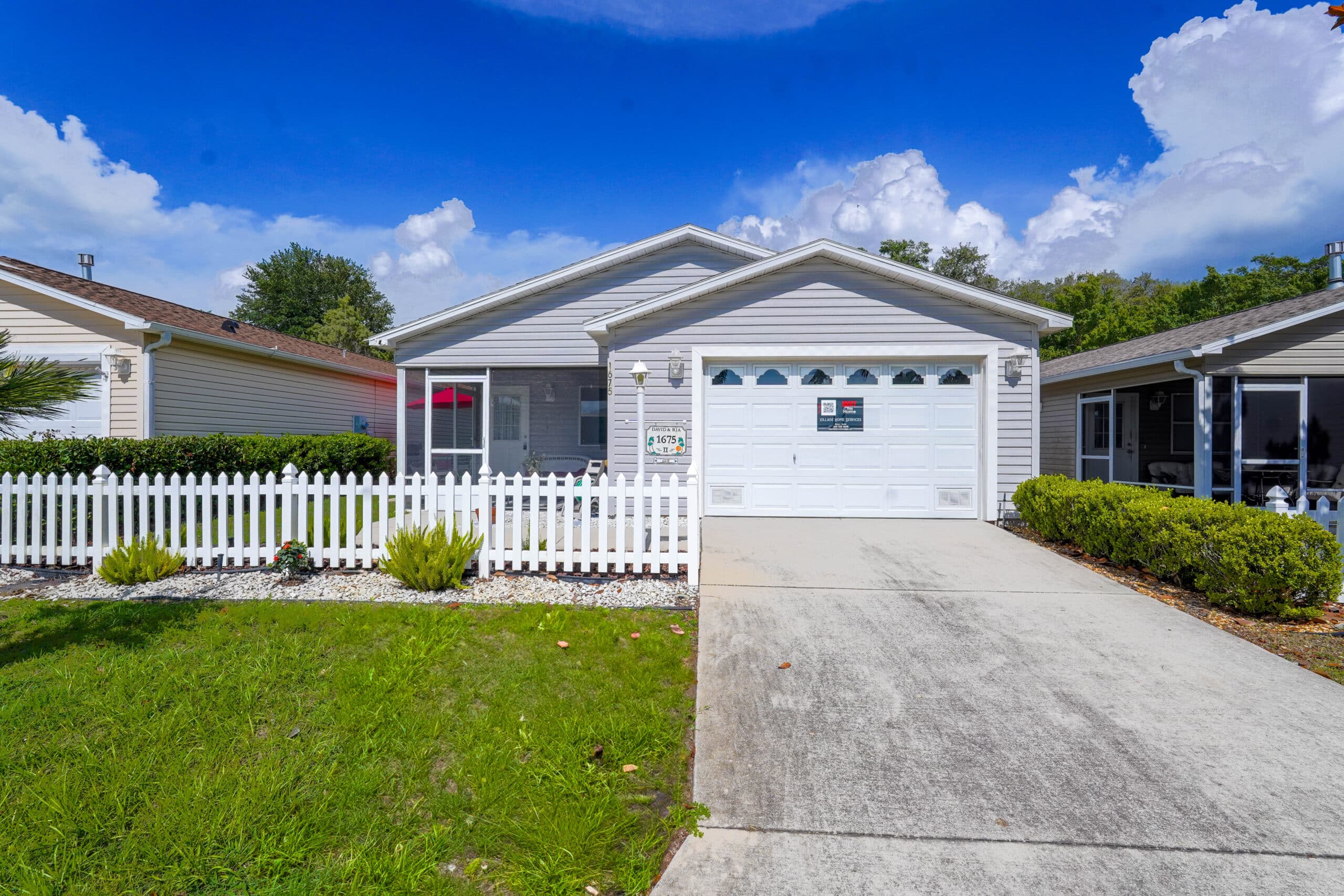
Are We in a Favorable Window for Investors Right Now?
Choosing if now is a good time really depends on your money situation and what you want from your investment. The market rates have been changing, but right now they are a bit more steady, allowing for more confident financial decisions. If you find an interest rate that you like, you can use a mortgage rate lock to keep it safe.
A rate lock promises that your interest rate will stay the same for a set amount of time, like 30 to 60 days. This protects you if market rates go up before you close. Many people also look into mortgage points (also called discount points) at closing. This is where you pay the lender an upfront fee—along with your origination fee—to get a lower rate. Doing this can result in significant annual savings over the life of your loan.
Operating Costs and Rental ROI in The Villages, Florida
A good rental investment depends on more than just your loan amount or your mortgage payment. To really know your rental ROI, you have to look at all your costs. This means property taxes, insurance, upkeep, and even possible HOA fees.
These costs are on top of your regular monthly payment amount. They can change how much money you make. Sometimes, you might get a low interest rate, but if your upkeep costs are high, it may not help. That is why you should make a complete budget—it will help you estimate your cash flow in a better way.
Using Our Free Cost of Owning a Rental Calculator
Good investing starts with knowing your numbers—not just the mortgage, but the everyday stuff that quietly eats into your rental income. That’s where our Cost of Owning a Rental Calculator really helps. Instead of giving you a single payment number, it breaks down the real monthly cost of operating a home in The Villages.
When you plug in a property’s square footage or home type, the calculator shows a full estimate that includes:
- Electric (SECO)
- Gas (TECO)
- Water (base + usage)
- Sewer (base + usage)
- Irrigation (base + usage)
- Amenity fee
- Trash service
- Internet & cable
All those smaller line items roll up into one clean monthly total and a yearly total, so you can see the actual cost of running the home—not just owning it on paper.
There’s also an Advanced option that lets you tweak the baseline monthly amounts if you want a more customized estimate. That’s especially handy if you’re comparing different neighborhoods, home sizes, or expected tenant usage patterns.
In a few clicks, you can:
- Check your estimated monthly operating cost
- See how cost-per-square-foot compares across homes
- Stress-test different scenarios (higher utility use, higher amenity fees, etc.)
- Understand how operating costs impact your rental cash flow
- Compare multiple properties side-by-side before making an offer
Using a tool like this helps you spot potential savings—and avoid surprises—long before you sign a contract. It’s one of the easiest ways to see if a rental in The Villages is likely to give you the return you’re looking for.

Top Considerations Before Buying a Rental Home in The Villages
Before you buy, it’s good to check a few last things. Getting loan approval for an investment home is not always the same as buying your main house. The lender may want a bigger down payment or ask for a higher credit score. Make sure to plan for closing costs, which are usually between 2% and 5% of the loan amount.
Remember to add in money for property taxes and homeowners insurance. If your down payment is less than 20% on a regular loan, you will mostly have to get mortgage insurance. It helps to see the whole financial picture so you can pick the best rental option in The Villages.
When researching lenders, look for those who follow strict editorial guidelines and provide clear, transparent information. Financial institutions—whether it’s a local credit union or a major provider that also offers credit cards like American Express—may have different requirements. Some lenders let you order products like rate quotes online for easy comparison.
Conclusion
The way mortgage rates change in The Villages can make things tough, but it can also open up chances for landlords who want to rent out property. You need to know about the market in the area, and you should see how these rates match up to the rest of the country. This is important so you can make smart choices when you want to invest.
You need to think about the cost to run the property. It can help to use our free Rental Cost of Ownership Calculator. This will let you see if you can get a good return on your money. Always look for the latest information before making any major financial decisions.
Make sure you watch how rates and the market move. This will help you decide if this is the time for you to buy and rent out in The Villages. If you want more help, reach out to get advice that fits you.

Frequently Asked Questions
How do I compare mortgage rates from different lenders in The Villages?
To find the best mortgage lenders, use a comparison service online. You can view rate tables from many mortgage lenders at the same time. For a mortgage rate that fits you, contact individual providers in The Villages. They will give you quotes that match your own financial details.
Are government-backed loan rates lower for rental property investors?
Loans that are backed by the government, such as FHA or VA loans, can give you a good mortgage rate. But, you need to live in the home most of the time. The type of loan you choose, the loan amount, and if you qualify will decide if this loan works for an investment place.
How often do mortgage rates change in Florida?
A mortgage rate can go up or down each day. It may change more than once a day, depending on economic news, Federal Reserve statements, and changes to national index rate averages. When looking for a loan, it is better to check the rates every day.
What should I consider when evaluating rental property opportunities in The Villages?
When you look at new chances, do not just focus on the home price. You have to figure out the total loan amount, what your estimated monthly payment will be, and the closing costs too. Most importantly, be sure to look at all the operating expenses. That way, you can really see what your rental ROI is and check if the investment will be good for you.